

Red Light Therapy for Migraine Relief
Red Light Therapy for Migraine Relief
What Are Migraines?

Migraine attacks are more than just headaches. They are intense, throbbing pains that usually occur on one side of the head. Migraines can last anywhere from a few hours to several days, making it hard to go about your daily activities.
Some people also experience symptoms like nausea, vomiting, and extreme sensitivity to light or sound. This sensitivity to light, also known as photophobia, can make migraines even more unbearable.
Unlike a typical headache pain, migraines can be triggered by a variety of factors. Some people have warning signs, known as auras, before a migraine starts. Auras might include visual disturbances like seeing flashes of light or zigzag patterns. Understanding these triggers and symptoms is key to managing migraines more effectively.
Common Triggers for Migraines

Migraines can be triggered by several things, and the triggers can vary from person to person. Some of the most common migraine triggers include:
- Stress: Emotional stress or anxiety can lead to migraines.
- Diet: Foods like chocolate, caffeine, or processed meats can set off migraines.
- Hormonal changes: Many women experience migraines related to their menstrual cycle or hormonal fluctuations.
- Lack of sleep: Poor sleep or changes in your sleep routine can trigger migraines.
- Environmental factors: Bright lights, loud noises, or even changes in weather can bring on a migraine.
Current Treatments for Migraines

There are several ways to treat migraines, depending on their severity and frequency. Some common migraine treatments include:
- Over-the-counter pain medications: Medicines like ibuprofen and aspirin can help reduce the intensity of a migraine, especially if taken early.
- Prescription medications: For more severe migraines, doctors may prescribe triptans, beta-blockers, or other medications designed to stop migraines before they start.
- Lifestyle changes: Reducing stress, improving sleep, and avoiding known triggers can all help reduce the frequency of migraines.
- Alternative treatments: Some people turn to treatments like acupuncture, chiropractic care, or, more recently, red light therapy to manage their migraines.
How Can Red Light Therapy Help with Migraine Relief?
Red Light Therapy for Pain Reduction
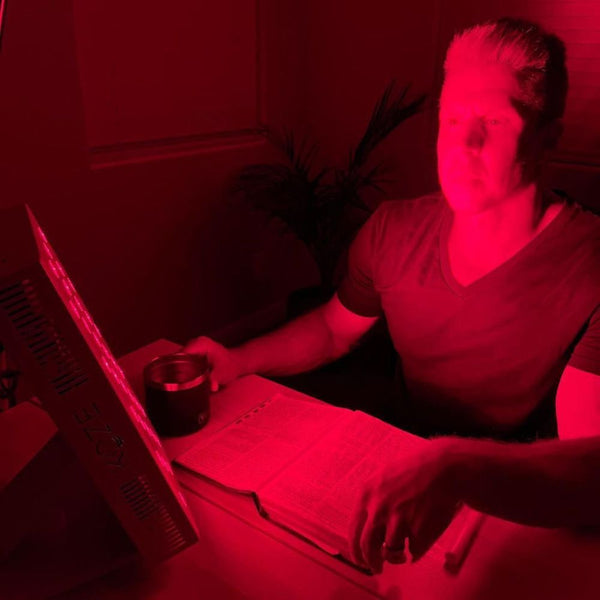
Red light therapy (RLT) is a great option for reducing pain caused by migraines. It works by sending specific wavelengths of light into your skin and deeper tissues. This light helps reduce inflammation, which is often a major cause of migraine pain.
For migraine sufferers, red light therapy can relax muscles and nerves in the head and neck area. It improves blood flow and reduces oxidative stress, making it easier for the body to heal. Some people find that with regular RLT sessions, their migraines become less severe and less frequent.
Studies show that red light therapy increases energy production in cellular. This energy helps the body repair damaged tissues and fight off pain, which can be a game changer for people with chronic migraines.
Scientific Research on Red Light Therapy and Migraines

Although research on laser therapy is still ongoing, early studies show promising results for migraine relief. For example, one study found that people who used light therapy experienced fewer headaches and less pain. Another study showed that RLT might help with light sensitivity, which is a common migraine symptom.
While more research is needed, healthcare professionals are beginning to recommend RLT as part of a holistic migraine treatment plan. It’s a non-invasive, drug-free option that offers hope for people who haven’t found success with other treatments.
How Often Should You Use Red Light Therapy for Migraines?

How often you use red light therapy depends on your migraines. Most people start with three to five sessions a week. Over time, as you start feeling better, you may be able to reduce the number of sessions.
Each session lasts about 10 to 20 minutes. It’s important to follow the instructions from your device or healthcare provider to get the best results. Some people notice improvements in a few weeks, while others take longer to feel the full effects.
How to Use Red Light Therapy for Migraine Relief
At-Home Devices for Red Light Therapy

Using near-infrared light at home is convenient and affordable. There are many devices available, like handheld wands, light panels, and even wearable caps. These devices are designed to help you target the head and neck area, where migraine pain is usually felt.
When choosing a device, make sure it uses the right wavelengths (between 600-850 nm) for effective therapy. Most devices will come with instructions on how to position the light correctly. At-home treatments allow you to have regular sessions whenever you need them, which is helpful when a migraine strikes suddenly.
Just remember to follow the device's instructions to use it safely and get the best results.
Professional Red Light Therapy Treatments

If you prefer a more controlled environment, you can get red light therapy from professionals. Many wellness centers and clinics offer this service. A trained therapist will guide the session, making sure the light is used effectively.
During a professional session, the light will be focused on your head and neck, and sometimes other areas where you feel tension. While these treatments can be more expensive than at-home options, some people prefer the expertise and high-quality equipment provided at a clinic.
Best Practices for Using Red Light Therapy on Migraines
Here are a few tips to get the best results from low-level laser therapy:
-
Be Consistent: Start with regular sessions, usually 3-5 times a week. As you start to feel better, you can reduce the frequency.
-
Positioning: Focus the light on areas with the most pain, like the head, neck, or shoulders.
-
Follow Safety Guidelines: Always follow the device's instructions to avoid overuse. Red light therapy is safe, but improper use could cause irritation.
-
Relax: Create a calming environment during your session. The therapy works best when your muscles are relaxed, allowing the light to penetrate deeply.
Frequently Asked Questions about Red Light Therapy for Migraine Relief
How soon can I expect results from red light therapy for migraines?
Results from red light therapy can vary. Some people notice pain relief after a few sessions, while others may take a few weeks to see improvement. Most people start with 3-5 sessions a week to reduce migraines. With consistent use, you should start to see fewer and less intense migraines over time.
Is red light therapy safe for long-term use?
Yes, red light therapy is safe for long-term use when used properly. It’s non-invasive and doesn’t involve medication or surgery. Most devices are designed for regular use. Just follow the device’s guidelines. If you have health concerns, it’s a good idea to talk to a doctor before starting.
Can I combine red light therapy with my current migraine medication?
Yes, red light therapy can be safely used with most migraine medications. Since it doesn’t involve drugs, there’s no interference with your current treatment. Many people find that combining RLT with medication helps manage migraines more effectively. Still, it’s a good idea to check with your doctor to make sure it's safe for you.
How does red light therapy compare to other migraine treatments?
Red light therapy is different from typical treatments like medications. While medications provide quick relief, red light therapy addresses the inflammation that causes migraines. It may take longer to see results than with medication, but it’s a great natural option for those looking to reduce reliance on drugs.
Will red light therapy work for chronic migraine sufferers?
Many people with chronic migraines have found red light therapy helpful. It reduces inflammation and improves circulation, which can help frequent migraine sufferers. However, results can vary since chronic migraines are complex. Red light therapy works best when combined with other treatments and lifestyle changes.
Conclusion
Red light therapy is a safe, non-invasive option for migraine relief. It helps by reducing inflammation and improving blood flow, which can lessen the severity and frequency of migraines over time. While it may take a few sessions to see results, many people find it helpful alongside other treatments.
It’s easy to use, whether at home or with a professional, and it doesn’t have the side effects that some medications can cause. As always, check with your healthcare provider before starting a new treatment. Red light therapy could be a great addition to your migraine management plan.
Frequently Asked Questions
How long does it take to see results from red light therapy for migraines?
The timeline for experiencing migraine relief with red light therapy varies by individual. Some people may notice reduced frequency or intensity of migraines within 2-4 weeks of consistent use, while others may require 6-8 weeks of regular treatment sessions to see significant improvements.
Can I use red light therapy during an active migraine attack or only as prevention?
Red light therapy can be used both as a preventive measure and during an active migraine episode. However, if you experience photophobia (light sensitivity) during an attack, you may want to wait until the acute phase passes or start with very short, low-intensity sessions to assess your tolerance.
What wavelength and intensity of red light is most effective for treating migraines?
Research suggests that wavelengths between 630-850nm are most effective for migraine relief, with red light (630-660nm) and near-infrared light (810-850nm) showing the best results. Treatment intensity typically ranges from 10-100 mW/cm², with session durations of 10-20 minutes recommended for optimal therapeutic benefits.
Are there any side effects or people who shouldn't use red light therapy for migraines?
Red light therapy is generally considered safe with minimal side effects. However, people taking photosensitizing medications, those with light-sensitive conditions, or individuals who are pregnant should consult their healthcare provider before starting treatment.
Should I stop taking my migraine medication if red light therapy is working?
Never discontinue prescribed migraine medications without consulting your healthcare provider first. Red light therapy can be used as a complementary treatment alongside conventional migraine management, and your doctor can help you safely adjust your treatment plan if you're experiencing significant improvements.