

Red Light Therapy Goggles: Protection & Safety Guide
Red Light Therapy Goggles: Protection & Safety Guide
As red light therapy continues to gain popularity for wellness applications, questions about eye safety and the need for protective goggles have become increasingly common. Whether you're new to red light therapy or considering adding it to your routine, understanding proper eye protection is essential for a safe and effective experience.
This comprehensive guide explores everything you need to know about red light therapy goggles, including when they're necessary, how to choose the right protection, and best practices for safe light therapy sessions.
Understanding Red Light Therapy and Eye Safety
Red light therapy uses specific wavelengths of light, typically in the 630-850nm range, to support various wellness goals. While these wavelengths are generally considered safe for skin exposure, the eyes require special consideration due to their unique sensitivity to light.
The intensity and proximity of the light source play crucial roles in determining whether eye protection is necessary. Unlike UV light, which can cause immediate damage, red and near-infrared light presents different considerations that depend largely on the specific application and device being used.
Your eyes contain photoreceptors that can be stimulated by bright light sources. While brief, incidental exposure to red light therapy devices typically doesn't cause harm, prolonged direct exposure to high-intensity sources may cause temporary discomfort or afterimages. This is why understanding when and how to protect your eyes is important for anyone incorporating light therapy into their wellness routine.
When You Need Red Light Therapy Goggles
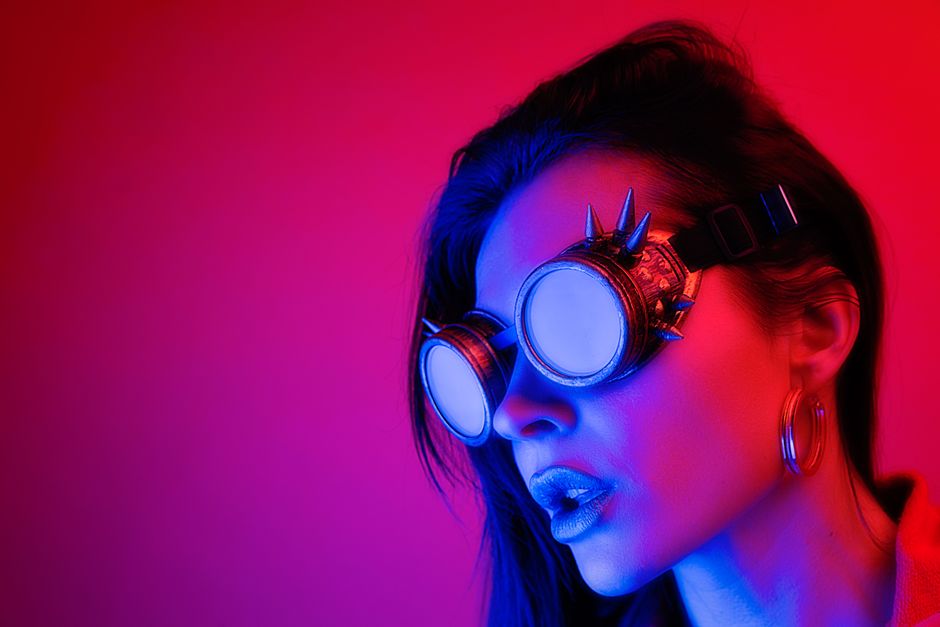
Photo by Atlantic Ambience on Unsplash
The need for protective goggles depends on several factors related to your specific light therapy setup and usage patterns.
Full-Body Panel Users
If you're using a large, high-powered red light therapy panel for full-body sessions, protective goggles become more relevant. These panels emit concentrated light that can be uncomfortable when viewed directly. Users typically position themselves 6-24 inches from these devices, which places the eyes in close proximity to a bright light source.
For panel users, red light therapy goggles or simply closing your eyes during sessions provides adequate protection. Many people choose to meditate, listen to podcasts, or simply relax with their eyes closed, making dedicated goggles unnecessary for their particular use case.
Facial Device Considerations
Facial devices like LED masks are designed with eye safety in mind. Quality devices, such as the KOZE LED Face Mask, incorporate built-in eye protection features that shield your eyes from direct light exposure. These FDA-registered devices are engineered to deliver therapeutic wavelengths to facial skin while keeping sensitive eye areas protected.
When using a properly designed facial device, additional goggles are typically unnecessary because the device itself provides adequate eye coverage and protection.
Targeted Treatment Areas
For treatments targeting areas away from the face—such as joints, muscles, or other body parts—your eyes naturally remain at a safe distance from the light source. In these scenarios, protective eyewear is generally not required, though avoiding direct gaze into any bright light source remains good practice.
Types of Eye Protection for Light Therapy
If you determine that eye protection is appropriate for your light therapy routine, several options are available.
Specialized Red Light Therapy Goggles
Purpose-designed goggles for red light therapy feature specific filtering properties that block wavelengths in the red and near-infrared spectrum. These goggles typically have a blue or green tint that filters out the therapeutic wavelengths while allowing you to keep your eyes open during treatment.
When selecting specialized goggles, look for products that specify protection in the 600-850nm range and offer a comfortable, secure fit for the duration of your sessions.
Alternative Protection Methods
Several alternatives to specialized goggles can provide effective eye protection:
Keeping eyes closed: Simply closing your eyes during treatment provides natural protection from bright light. Your eyelids block a significant amount of light, and for many home users, this simple approach is sufficient.
Protective eyewear patches: Small adhesive patches or cotton pads placed over closed eyes offer an additional layer of protection and help ensure eyes remain comfortably closed throughout the session.
Standard UV-blocking sunglasses: While not specifically designed for red light therapy, quality sunglasses can reduce brightness and provide some level of comfort, though they don't typically block red and near-infrared wavelengths as effectively as specialized goggles.
Best Practices for Safe Red Light Therapy Sessions

Photo by Mikhail Nilov on Unsplash
Beyond goggles, implementing comprehensive safety practices ensures optimal results from your light therapy routine.
Proper Device Positioning
Always follow manufacturer guidelines for distance and positioning. KOZE Health devices, which are FDA-registered and backed by a 30-day return policy, come with clear usage instructions that specify optimal positioning for safe and effective sessions.
Maintaining appropriate distance from your light source reduces intensity at the eye level and minimizes any need for additional protection beyond closing your eyes or using device-integrated shields.
Session Duration and Frequency
Adhering to recommended session times helps prevent overexposure. Most light therapy protocols suggest sessions ranging from 10-20 minutes, depending on the device and target area. Starting with shorter sessions and gradually increasing duration allows you to assess your comfort level and determine if additional eye protection enhances your experience.
Environmental Considerations
Create a comfortable environment for your light therapy sessions. Some users prefer dimming other lights in the room to reduce overall visual stimulation, while others find that ambient lighting makes the experience more pleasant.
If you experience any discomfort, headaches, or visual changes during or after sessions, discontinue use and consult with a healthcare provider. These symptoms may indicate that adjustments to your protocol or additional eye protection are needed.
Choosing Quality Light Therapy Equipment
The safety and effectiveness of your light therapy experience begins with selecting quality equipment from reputable manufacturers.
KOZE Health specializes in FDA-registered light therapy devices designed with user safety as a priority. The company's commitment to quality extends beyond regulatory compliance to include thoughtful design features that protect users while delivering consistent results.
When evaluating light therapy devices, consider these factors:
Regulatory status: FDA registration indicates that a manufacturer follows quality standards and proper protocols.
Built-in safety features: Quality facial devices incorporate eye protection directly into their design, eliminating the need for additional accessories.
Clear usage guidelines: Reputable manufacturers provide detailed instructions for safe use, including guidance on session duration, frequency, and positioning.
Return policies: A 30-day return window allows you to evaluate whether a device meets your needs and comfort level without long-term commitment.
HSA/FSA eligibility: Devices that qualify for health savings account purchases often meet higher standards for quality and intended therapeutic use.
Making Red Light Therapy Work for Your Lifestyle

Photo by Atlantic Ambience on Unsplash
Integrating light therapy into your wellness routine should feel natural and sustainable. The question of goggles and eye protection is just one aspect of creating a protocol that works for your specific needs and preferences.
Many users find that facial devices with integrated eye protection offer the most convenient solution, eliminating the need to remember additional accessories or wonder about proper eye safety. These devices deliver targeted treatment while incorporating protection as a built-in feature rather than an afterthought.
For those using panel systems or other configurations, establishing a consistent routine that includes appropriate eye protection—whether through closing your eyes, using goggles, or maintaining proper distance—ensures that safety never becomes a barrier to regular use.
Remember that light therapy is most effective when used consistently over time. Creating a comfortable, safe setup that you'll actually use regularly is more valuable than a perfect configuration that feels cumbersome or inconvenient.
Conclusion
Red light therapy goggles serve an important role for certain applications, particularly when using high-powered panels at close range. However, the need for specialized eyewear varies based on your specific device, usage patterns, and personal comfort preferences.
For many home users, especially those using well-designed facial devices with built-in eye protection, additional goggles may be unnecessary. The key is understanding your equipment, following manufacturer guidelines, and listening to your body's signals.
Quality matters when it comes to light therapy equipment. Choosing FDA-registered devices from reputable manufacturers like KOZE Health ensures that safety considerations are incorporated into the product design itself, giving you confidence in your wellness routine.
Whether you opt for specialized goggles, rely on device-integrated protection, or simply close your eyes during sessions, prioritizing eye safety allows you to enjoy the potential benefits of light therapy with peace of mind.
FAQ
Do I need special goggles for using a red light therapy face mask?
Quality LED face masks designed for light therapy typically include built-in eye protection features that shield your eyes from direct light exposure. When using a properly designed facial device, additional goggles are usually unnecessary because the mask itself provides adequate coverage and protection for the sensitive eye area.
Can I just close my eyes during red light therapy instead of wearing goggles?
Yes, closing your eyes during red light therapy sessions provides natural protection for many applications. Your eyelids block a significant amount of light, and for most home users with moderate-intensity devices, this simple approach is sufficient. Specialized goggles become more relevant for high-powered panel users who prefer keeping their eyes open during sessions.
What should I look for when buying red light therapy goggles?
If you determine that goggles are appropriate for your setup, look for products that specifically filter wavelengths in the 600-850nm range, offer a comfortable and secure fit, and provide adequate coverage around the eyes. The goggles should feel comfortable for the duration of your typical session length, usually 10-20 minutes.
Are there any signs that I need better eye protection during light therapy?
If you experience discomfort, headaches, temporary vision changes, or persistent afterimages following light therapy sessions, these may be signs that you need to adjust your protocol. This could mean adding eye protection, increasing your distance from the device, closing your eyes during treatment, or shortening session duration. Consult with a healthcare provider if symptoms persist.
Do HSA and FSA cover red light therapy goggles?
While many red light therapy devices themselves are HSA/FSA eligible, coverage for accessories like goggles varies by plan and administrator. Check with your specific HSA or FSA provider for details on eligible protective equipment purchases. The primary light therapy device is more likely to qualify for health savings account purchases than individual accessories.
KOZE LED Hair Growth Cap
FDA-registered red light therapy cap for thinning hair and scalp health. 6-minute daily sessions. HSA/FSA eligible.
Shop KOZE → $220